

NEWS
新闻资讯
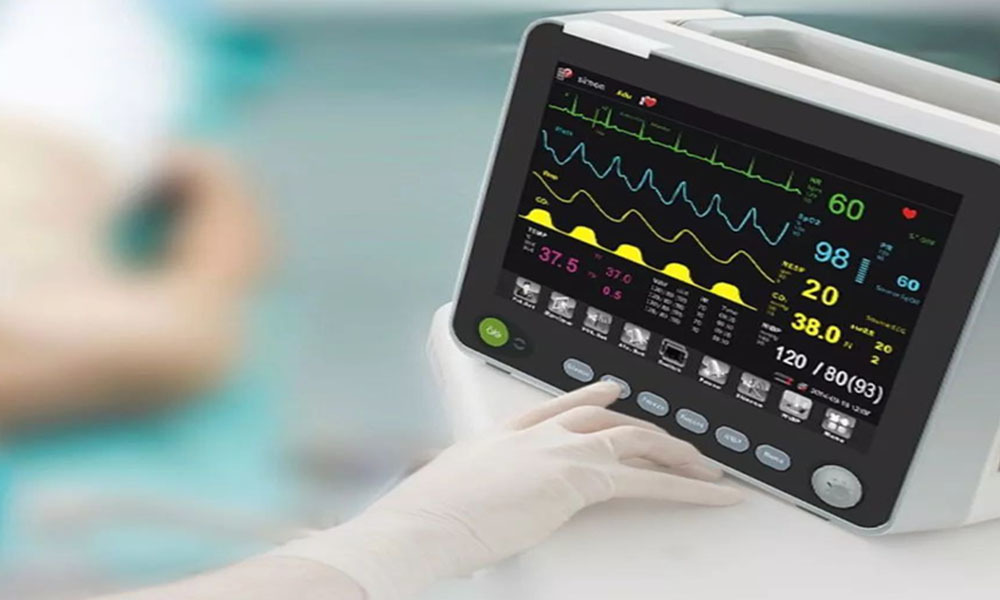
Monitor: Liquid crystal display in the medical industry
Medical monitor is a device or system to measure and control the patient's physiological parameters, and can be compared with the known set value, if there is an exceeding of the standard, can issue an alarm. Monitor it must be 24 hours continuous monitoring of the patient's physiological parameters, check out the trend of change, pointing out the critical situation for the doctor emergency treatment and the basis for treatment, so that complications to minimize the purpose of alleviating and eliminating the condition. In addition to the measurement and monitoring of physiological parameters, the use of monitors also includes monitoring and processing of medication and the situation before and after surgery.
With the steady growth of China's medical equipment market, medical monitors have also developed from being used mainly for the monitoring of critically ill patients in the past to the monitoring of general wards at present, and even the primary healthcare units and community healthcare units have also put forward the demand for their application.
In 2009, the penetration rate of medical monitors in China was only 20%, and the penetration rate of medical monitors is positively correlated with the standard of living of a country's citizens, with China's per capita GDP amounting to US$3,678 in 2009. From China's GDP per capita compound growth rate over the past 20 years, the next five years, China's medical monitor penetration rate of compound annual growth rate of about 8.01%. From the perspective of the long-term development of the industry, with the further improvement of the industry's R & D level and the further improvement of China's medical security system, high-end products will gradually become mainstream.
The monitor is different from the monitoring and diagnostic equipment, it must be 24 hours continuous monitoring of the patient's physiological parameters, check out the trend of change, point out the critical situation for doctors to deal with emergency and the basis for treatment, so that complications are minimized to achieve the purpose of alleviating and eliminating the condition.
In addition to the measurement and monitoring of physiological parameters, the use of the monitor also includes monitoring and processing of medication and the situation before and after surgery.
The standard 6 parameters of the monitor are ECG, respiration, non-invasive blood pressure, oxygen saturation, pulse rate, and temperature. Optional parameters include: invasive blood pressure, end-expiratory carbon dioxide, respiratory mechanics, anesthetic gases, cardiac output (invasive and non-invasive), EEG dual-frequency indices, and more.
Clinical applications of the monitor: intra-operative, post-operative, trauma care, coronary heart disease, critically ill patients, neonates, preterm infants, hyperbaric oxygen chambers, labor and delivery rooms, and so on.
Related News


Mobile:15960046383 Miss Zheng
Address:Jinshijie Technology Park,Yaoshun Industrial Park,Xincheng District,Haiyang Town,Xiuning County,Huangshan City,Anhui Province,245400,China.
Official website:goldenvisionlcd.com

Copyright 2022 Anhui Jinshijie Optoelectronic Technology Co., Ltd 闽ICP备2022016838号
Powered by www.300.cn SEO